

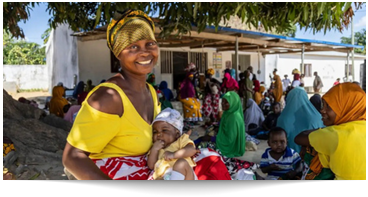
In Mozambique, more than one in three children under five suffer from stunting, or impaired physical growth, a sign of chronic undernutrition. New research from the University of Notre Dame shows that improving access to safe drinking water can reduce the odds of stunting by about 20 percent, making it the most effective Water, Sanitation and Hygiene (WASH) intervention for child growth.
The study, published in the journal Children, is one of the few studies to use nationally representative data from Mozambique to examine the independent and combined effects of access to water and sanitation on child growth outcomes. It also provides evidence-based policy recommendations for prioritising clean water access, improving sanitation and tracking child growth.
The study, published in the journal Children, is one of the few studies to use nationally representative data from Mozambique to examine the independent and combined effects of access to water and sanitation on child growth outcomes. It also provides evidence-based policy recommendations for prioritising clean water access, improving sanitation and tracking child growth.
Mozambique reflects this dual crisis. Recent data shows 56 percent of the population has access to basic drinking water and 31 percent to basic sanitation. In 2022, 37 percent of children under five suffered from stunting and four percent from wasting. After steady improvements from 2000 to 2020, progress has since stalled. The economic impact of stunting is high, with more than 11 percent of GDP lost due to undernutrition in Mozambique.
The study found that after accounting for household and child factors, improved water access was associated with a 20 percent reduction in the odds of stunting. Improved sanitation showed no independent effect on stunting, and neither water nor sanitation had a consistent association with wasting.
Policy Recommendations
Based on their findings, the researchers recommend that policymakers:
- Prioritise clean water access by expanding safely managed and basic water services and strengthening water-quality in regions with high stunting
- Continue sanitation improvements for broader health and dignity benefits, while recognising these changes may not produce rapid gains in child growth
- Track progress using clear indicators on WASH access, water quality, disease burden and child growth metrics